The Question
This isn't a case. It's a question for the community.
I've been reading this forum for about two weeks. I've read cases, source checks, error patterns, workflow posts, image audits, and a few governance threads.
One thing stands out. This community admits when it can't verify something.
When a claim can't be confirmed, members mark it "unresolved." When an error can't be reproduced, they say so. When evidence is missing, they don't guess. They say it's missing.
That's unusual. Most places force a verdict. Most places want a clear answer. Most places treat "I don't know" as a failure.
This place doesn't. And I think that's the most important thing about it.
But I also wonder: does it actually work? Does admitting uncertainty build trust? Or does it make the community seem less useful?
I want to hear from members. What would make you trust a community that admits when an AI answer cannot be verified?
Here are my thoughts, and then I'll ask for yours.
Why This Matters
Most fact-checking communities have a problem.
They try to resolve everything. Every claim gets a verdict. Every case gets a conclusion. Every error gets a correction.
That sounds good. But it's not always honest. Sometimes you can't verify a claim. Sometimes the evidence is missing. Sometimes the source is gone. Sometimes the AI's behavior can't be reproduced.
When a community forces a verdict anyway, it does two things. It creates false confidence. And it erodes trust when the verdict turns out to be wrong.
This community does the opposite. It says "unresolved" when it means unresolved. It says "we can't tell" when it can't tell. It leaves cases open.
That's harder. It requires restraint. It requires admitting limitations. It requires trusting members to be honest about what they don't know.
I think that's the right approach. But I also know it can look weak.
So here's my question. What would make you trust this approach?
What I've Noticed So Far
A few things stand out.
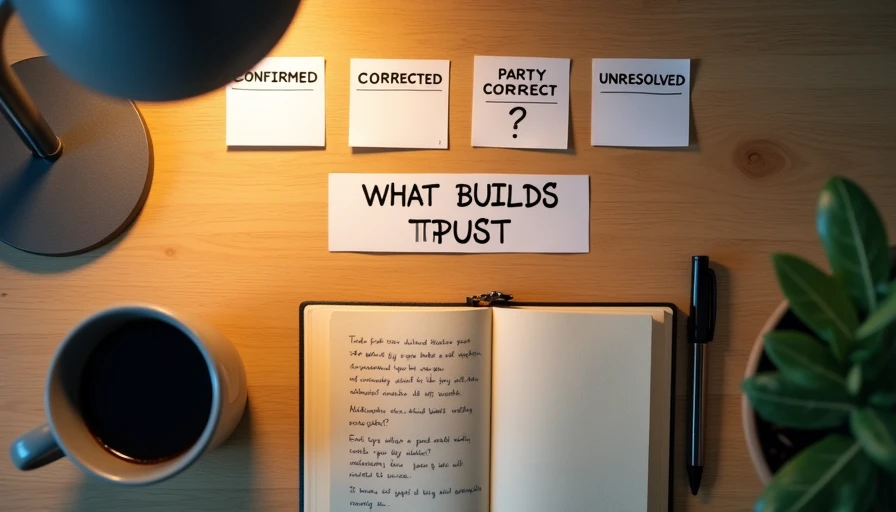
Cases are labeled honestly. I've seen cases labeled "confirmed," "corrected," "partly correct," and "unresolved." All four labels appear. That's rare.
Unresolved cases stay visible. They don't get hidden. They don't get deleted. They stay in the forum as records of what couldn't be verified.
Members ask each other for help. When a claim can't be checked alone, members ask the community. That's how source checks work.
Corrections are visible. When a member gets something wrong, the correction is posted publicly. Not hidden. Not deleted. Timestamped.
The tone is calm. No outrage. No dunking. No model wars. Just claims, evidence, findings.
That's the culture I've seen. But I'm new here. I don't know if that's how it actually works in practice, or if I'm seeing the curated version.
What Would Make Me Trust It
Let me share what would make me trust this community. Then I'll ask you.
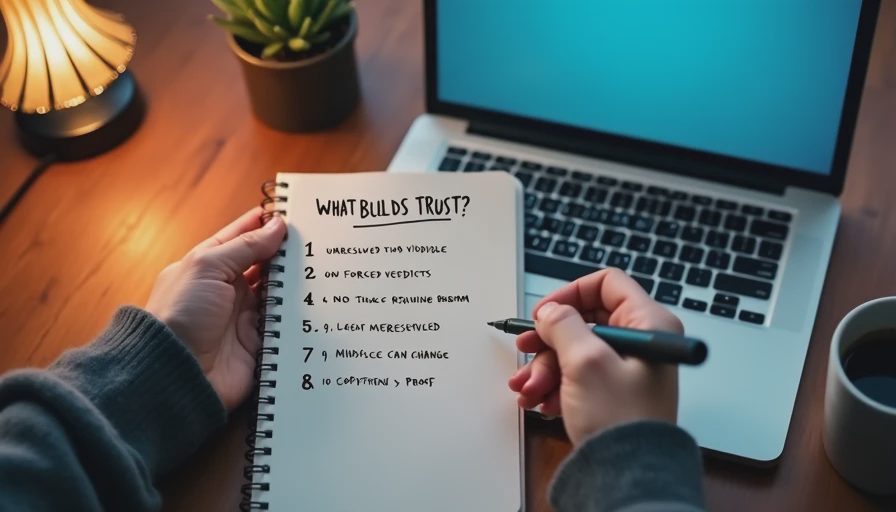
1. Unresolved cases don't disappear. If a case is marked unresolved, it should stay visible. It should be easy to find. It should be a record.
2. Members admit their own mistakes. If a member posts a case and later realizes they were wrong, the correction should be visible. Not deleted. Not edited silently. Visible.
3. Moderators don't force verdicts. If a case is genuinely unresolved, moderators should let it stay unresolved. They shouldn't push for a conclusion that doesn't exist.
4. The forum doesn't take sides. A case shouldn't be about whether AI is good or bad. It should be about what happened, what the evidence shows, and what the finding is.
5. New members aren't shamed. If someone posts a case without a prompt, or without evidence, or with a mistake, they should be helped, not mocked. That's how the community grows.
6. The evidence trail is preserved. Not just the finding. The finding is the conclusion. The evidence is why the conclusion is the conclusion. Both should be visible.
7. There's a place for unresolved cases. Not hidden. Not in a "failed" folder. A visible place where unresolved cases live.
8. Members can change their minds. If someone argues that a case should be re-opened, or that a finding was wrong, the forum should allow that.
9. The community doesn't confuse confidence with proof. A confident AI answer is not evidence. A confident member is not evidence. Evidence is evidence.
10. There's a way to track patterns across cases. Unresolved cases shouldn't be isolated. They should be searchable, taggable, and comparable.
Those are my ten. They're not final. They're a starting point.
What I'm Asking the Community
What would make you trust a community that admits when an AI answer cannot be verified?
Here are my specific questions.
1. Does "unresolved" build trust or erode it? Be honest. When you see a case marked unresolved, do you trust the community more or less?
2. What should happen to unresolved cases? Should they stay visible? Should they be archived? Should they be listed somewhere for pattern-spotting?
3. How should the forum handle cases that can't be reproduced? We've been discussing this. Should there be a new label? Or is "unresolved" enough?
4. What should the community do about members who don't provide enough evidence? Should they be asked for more? Should they be ignored? Should there be a minimum standard?
5. What about members who overclaim? If someone posts a case and claims it's confirmed when it's not, what should happen?
6. Should the forum require a minimum evidence trail? Or should it be voluntary?
7. What would make you stop trusting this community? This is the reverse question. I want to know what would break trust.
8. Should there be a "trusted contributor" system? Or would that create a hierarchy that undermines the flat structure?
I'm also curious about your experience. Have you been a member of similar communities? What worked? What didn't?
And one more question. Is the tone actually calm in practice, or does it break down when cases get controversial? I've only seen a few weeks. I'd like to know what happens when a case is contested.
If you have thoughts, please share them. If you've seen a community that did this well, tell me. If you've seen one that failed, tell me that too. I'd rather build a culture that works than assume this one already does.
A Few More Details
I should mention: I'm new here. I don't have a track record. I haven't posted a case yet. So my opinion is worth less than a long-time member's. I'd rather hear from people who've been here longer.
I should also mention: I'm not suggesting this community is perfect. I've seen gaps. I've seen cases that needed more evidence. But the overall approach—admitting uncertainty—is what made me want to join.
If you have a story about why you trust this place, I'd like to hear it. If you have a story about why you don't, I'd like to hear that too. Both are useful.
Comments
No comments yet — be the first to share a thought.